
2026 has been a record year for young chess players. A Turkish 15-year-old broke a rating record that had stood for over a decade. An Argentine 12-year-old became the second-youngest grandmaster ever. A 16-year-old won the US Women's Championship in her first attempt. And the player who still holds the youngest-grandmaster record is now a top professional himself.
Yağız Kaan Erdoğmuş: The Highest-Rated 15-Year-Old Ever
Born in June 2011, Erdoğmuş reached a rating of 2731 on the October 2026 FIDE list after gaining 15 points at the Samarkand Olympiad. That makes him world number 17 and the highest-rated 15-year-old in history, passing Wei Yi's previous record of 2721.
He is already Turkey's top player, and he has the results to match his rating: he played the top group at Tata Steel in January and kept climbing all year. If he keeps up this pace, a place in a future Candidates Tournament is a realistic goal.
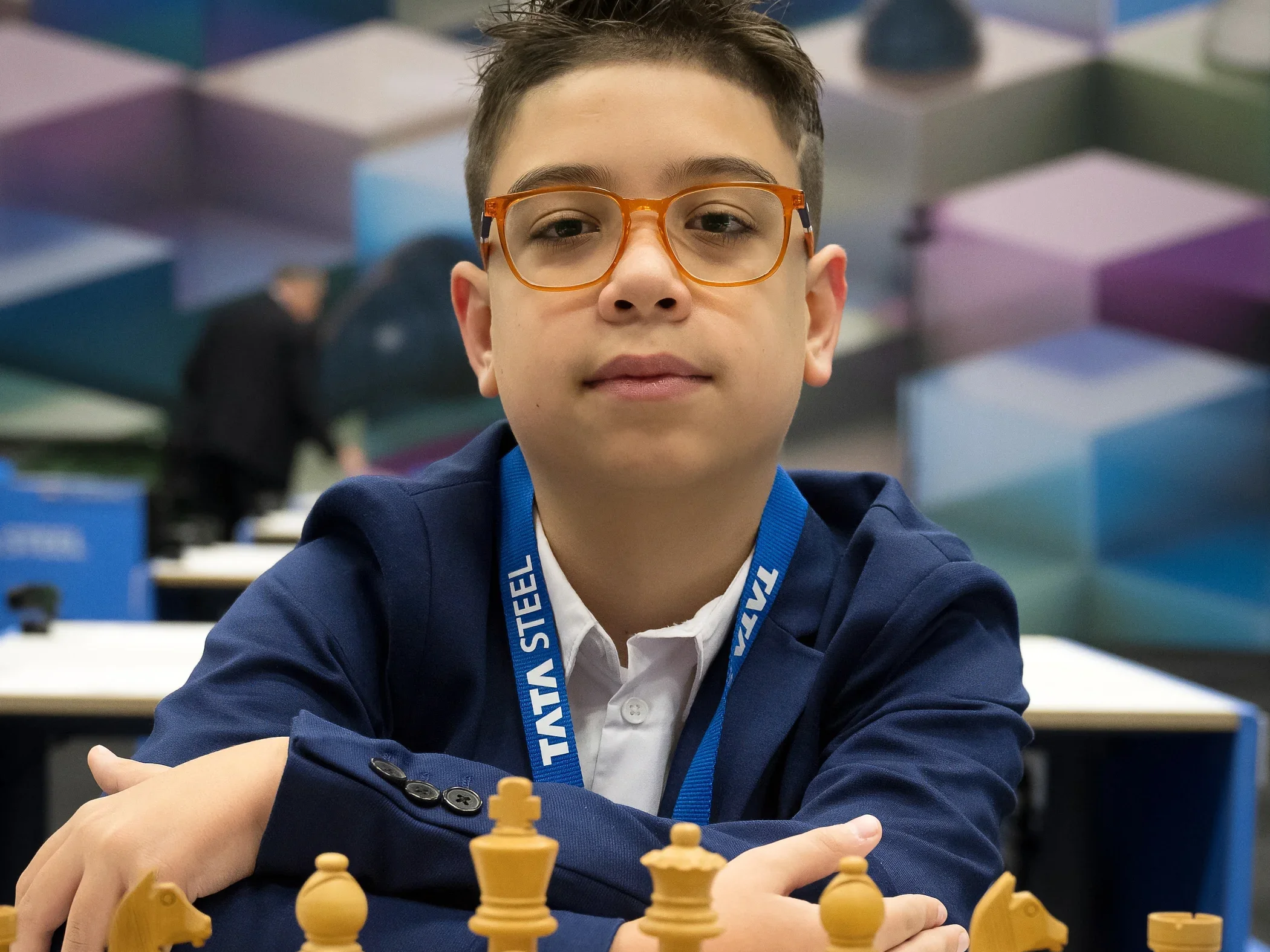
Faustino Oro: Grandmaster at 12
Oro, from Buenos Aires, has been one of the most talked-about juniors in chess since he was 10. In May 2026, at a tournament in Sardinia, he earned his third and final grandmaster norm at 12 years and 6 months. Only one player in history has done it younger.
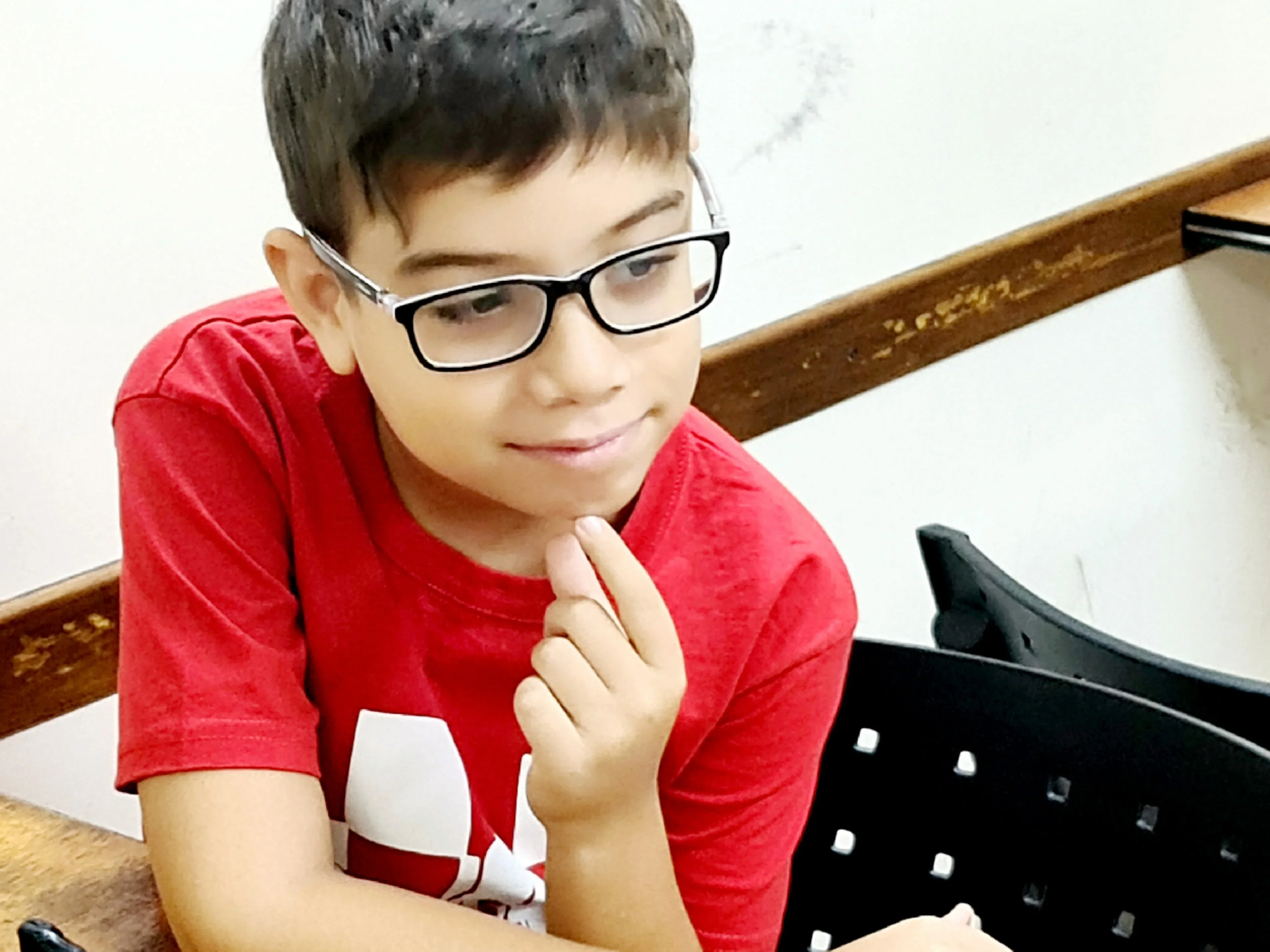
His peak rating reached 2549 in October 2026. He only turned 13 on October 14, so he has years of growth ahead of him.
Abhimanyu Mishra: Still the Record Holder
The record Oro just missed belongs to Abhimanyu Mishra of New Jersey, who became a grandmaster in June 2021 at 12 years, 4 months and 25 days. He broke a record Sergey Karjakin had held for 19 years.
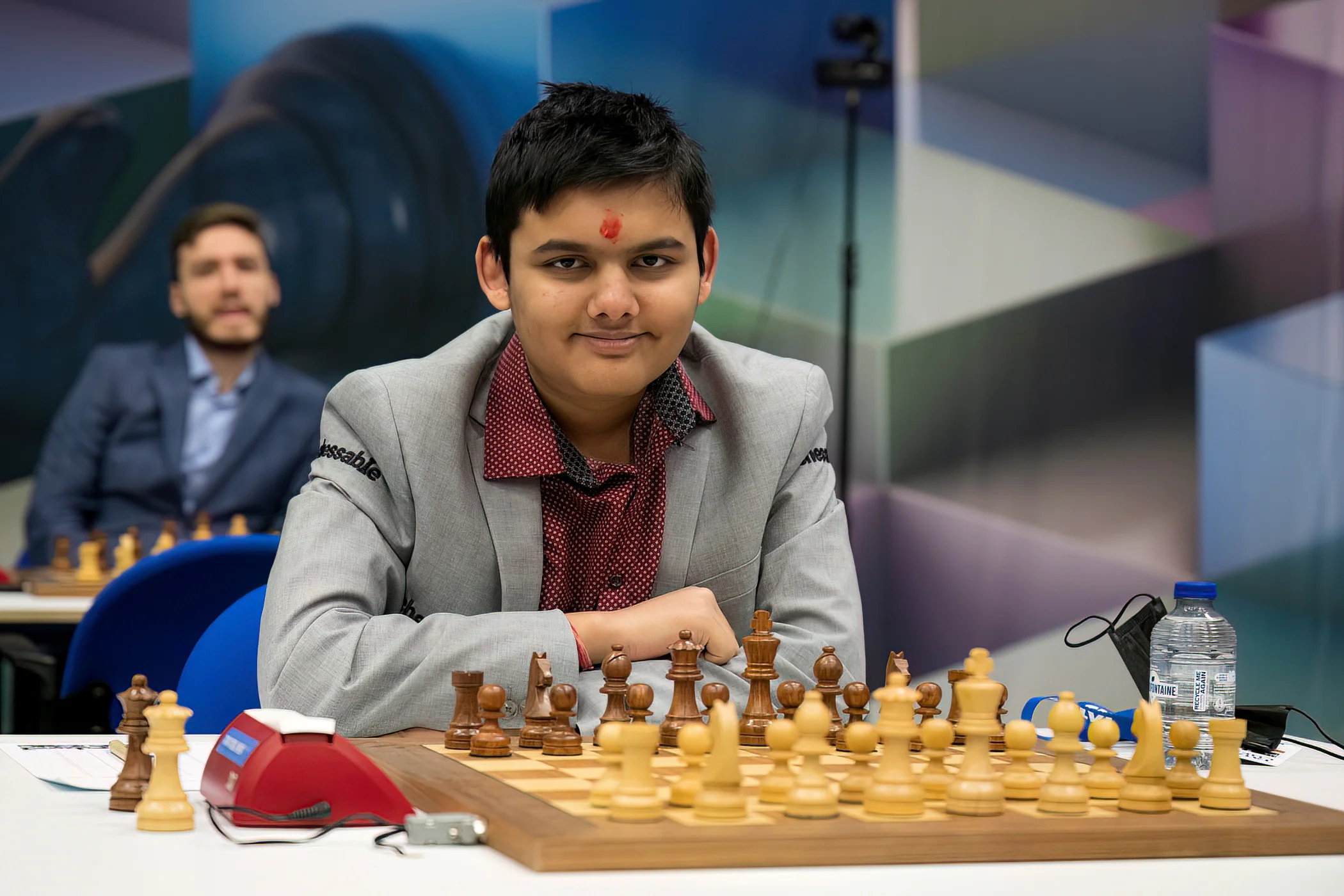
Mishra's story is also a reminder that the title is a starting point, not a finish line. The years after a record are about turning talent into consistent results against grown professionals, and he has spent them playing elite opens and invitationals around the world.
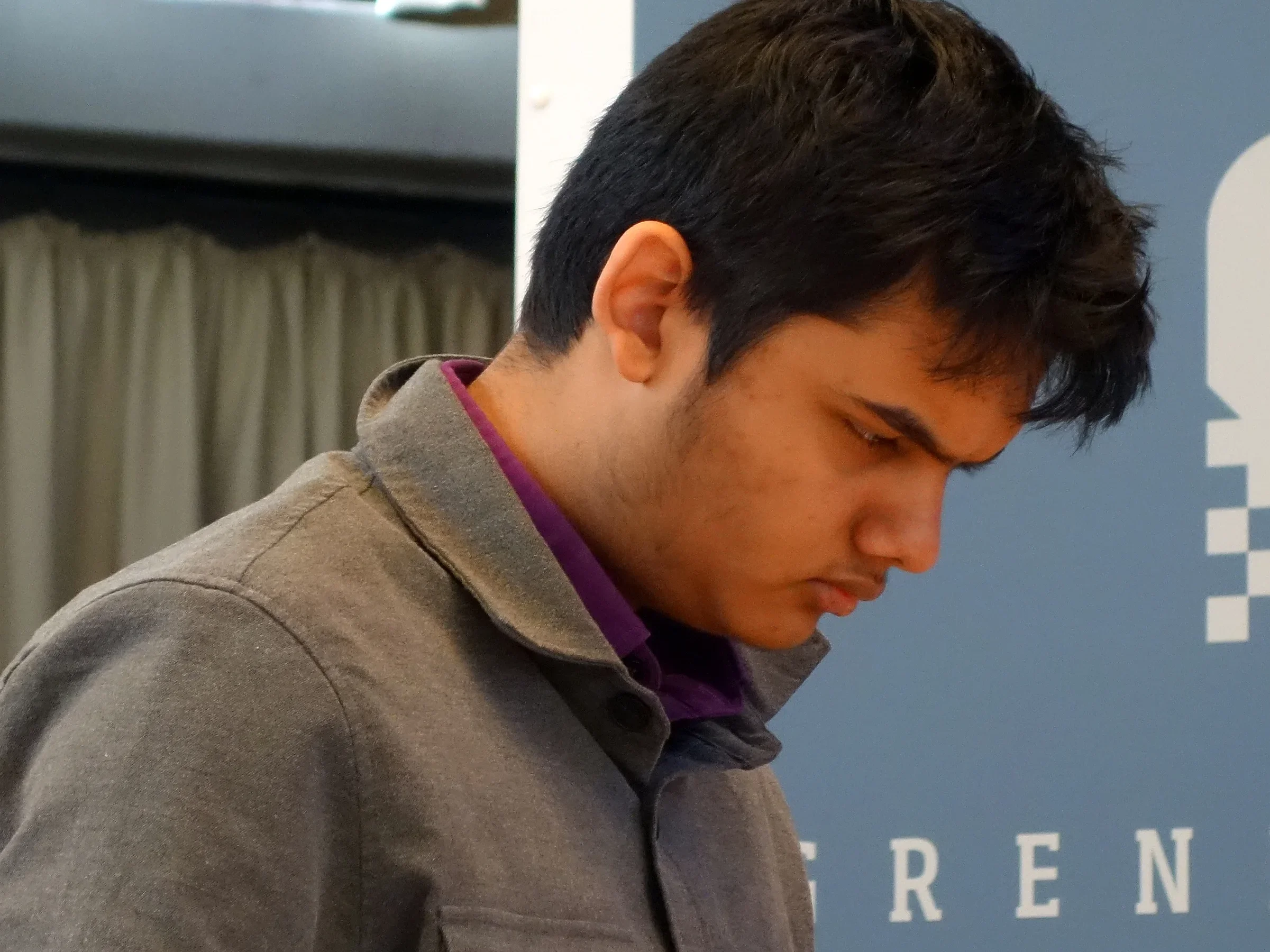
Rachael Li: US Women's Champion on Her Debut
At the 2026 US Championships in Saint Louis, 16-year-old Rachael Li won the women's title in her first appearance, sealing it with a draw in the final round. The same week, Wesley So won his fourth US title in a rapid playoff against Fabiano Caruana.
The Records at a Glance
| Player | Country | Record or Result |
|---|---|---|
| Abhimanyu Mishra | USA | Youngest grandmaster ever: 12 years, 4 months, 25 days (2021) |
| Faustino Oro | Argentina | Second-youngest grandmaster ever: 12 years, 6 months (2026) |
| Yağız Kaan Erdoğmuş | Turkey | Highest-rated 15-year-old ever: 2731 (October 2026) |
| Rachael Li | USA | US Women's Champion at 16, on her debut (2026) |
How Prodigies Actually Train
It is tempting to think these players were born different. Talent matters, but their training is surprisingly ordinary. They do the same things good club players do, much more often:
- Huge volumes of tactics. Many top juniors solve puzzles every single day, often the same positions again and again, until patterns become instant.
- Analysis of their own games. Every loss is reviewed with a coach. See our step-by-step guide to analyzing your games for how to do this yourself.
- Strong opponents. They play up, constantly. Losing to stronger players teaches more than beating weaker ones.
- Consistency. Short, daily sessions over years. Not occasional marathons.
You are not going to become a grandmaster at 12. But the habit that sits at the center of every prodigy's training, repeated work on tactical patterns until recognition is automatic, works at any age. That is exactly what the Woodpecker Method is built on.
Chess Prodigies FAQ
Who is the youngest chess grandmaster ever?
Abhimanyu Mishra of the United States, who earned the title in 2021 at 12 years, 4 months and 25 days. Faustino Oro of Argentina is second after qualifying in May 2026 at 12 and a half.
Who is the highest-rated 15-year-old chess player ever?
Yağız Kaan Erdoğmuş of Turkey, rated 2731 on the October 2026 FIDE list. That beat Wei Yi's old record of 2721 for a 15-year-old.
How do chess prodigies train?
Mostly with the same tools as everyone else, used far more often: thousands of tactical puzzles, careful analysis of their own games, lots of strong opposition, and coaches who keep the work focused. Few of them do anything secret. They do the basics every day, for years.
Can adults still get much better at chess?
Yes. Adults rarely reach grandmaster strength, but most club players can gain hundreds of rating points with steady tactics training and game review. Pattern recognition improves at any age.
Header photo: Yağız Kaan Erdoğmuş, by TheBoburshokh, CC BY 4.0. All photos via Wikimedia Commons.
// TOPICS
// APPLY_KNOWLEDGE
Ready to Put This
Into Practice?
> Start training with the Woodpecker Method on ChessPecker today. Build lasting pattern recognition.


